NEW GLOUCESTER, Maine (Dec. 8, 2017) — Like many others that fateful night 37 years ago, I learned that John Lennon had been killed from Howard Cosell. Yeah, that Howard Cosell.
It was a Monday night, and the Patriots were in Miami playing the Dolphins. In December of 1980, Howard was still presiding over Monday Night Football, in his inimitably pedantic, bombastic, half-in-the-bag fashion. In the pre-cable era, MNF was the week’s premier sports broadcasting event; my dad and I always watched it together, as an act of ritual.
Howard was respectful of this traumatic news — as respectful as his on-air persona would allow. In other words, he treated the murder as he would a punt returner who’d broken clear of the pack with only the kicker to beat. See that bizarre media moment, preserved for all time, here. ESPN would later weigh in with its own meta-media doc, here.
I was 16 years old in December 1980. My dad was not yet 44, 10 years younger than I am today. We were stunned by this news, naturally. It was legitimately unmooring to have it delivered by such an unlikely source, in such a peculiar context. The Pats’ left-footed, English place kicker — John Smith, who hails from Leafield, Oxfordshire— was lining up a field goal attempt when Cosell abruptly altered the narrative. The only thing that would’ve made it more bizarre? If Smith had hailed from Blackburn, Lancashire.
John Lennon was 41. Same as my Mom

We quickly called my mother into the room. She was the founding and still presiding Beatles lover in our family, and John was clearly her favorite. She was 41 in 1980, essentially the same age as John Lennon. She had latched onto them from the start. Indeed, my dad had teased her for digging a band whose enthusiasts were, at that stage, mainly 13- and 14-year-old girls.
But my mom has always possessed a keen musical sensibility and her early support for their chops were more than justified in the years to come. She wordlessly teared up while listening to Cosell bloviate, then left the room.
Not sure why, but the holiday period tends to include a lot of Beatles content on PBS. Just last week I watched Ron Howard’s “Eight Days a Week,” along with something called “Sgt. Pepper’s Musical Revolution,” as part of a fundraiser. All these years later, the Beatles are considered subject matter for the whole family, apparently.
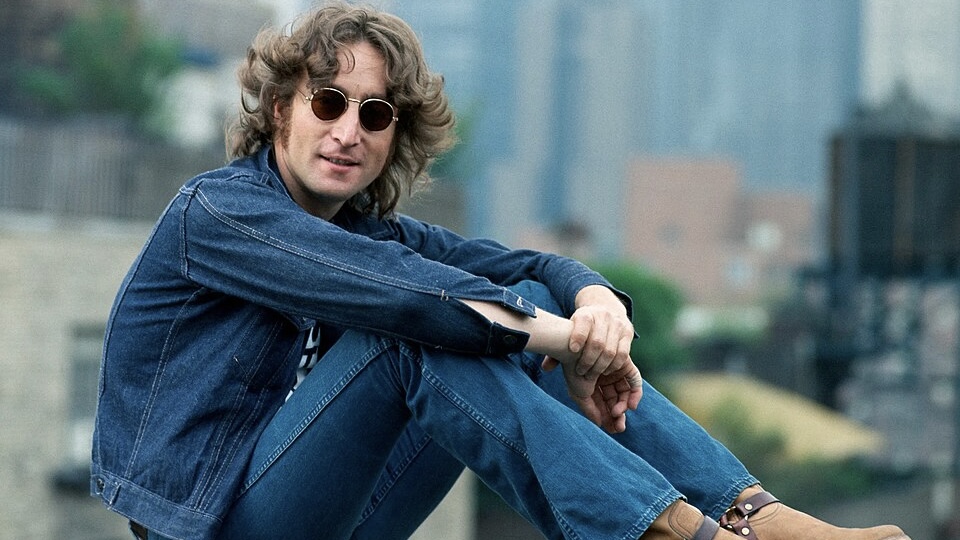
If you should get the chance, make time to watch the superb documentary “LENNONYC,” about his post-Beatles years in Gotham (I saw it on PBS, but today you can catch it online, here). The Seventies proved an eventful decade that followed hard on the band’s official break-up back in April 1970. For Lennon it featured a gaggle of outsized characters and spanned a remarkable procession of music-making, protesting, drug-taking, deportation-resisting, legal wrangling, breaking up, getting back together, child-rearing and, ultimately, growing up.
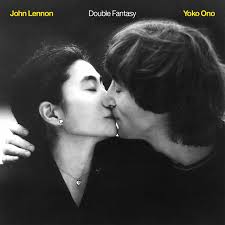
That was the message one took away at film’s close: Here was a guy who had finally shed the latent adolescence of rock stardom and become a man, in his own right, only to be killed by a psychopath at the exact moment that maturity was to be revealed. Lennon’s his gorgeous new album, “Double Fantasy,” had been released on Nov. 17, 1980. I don’t know that it gets much sadder than that.